Spying on Molecular Action with Spins and Light
The Han Lab’s research program centers on harnessing spins as nature’s quantum reporters to probe fundamental processes in chemistry and biology at the quantum limit. Our current work is organized around three interconnected themes:
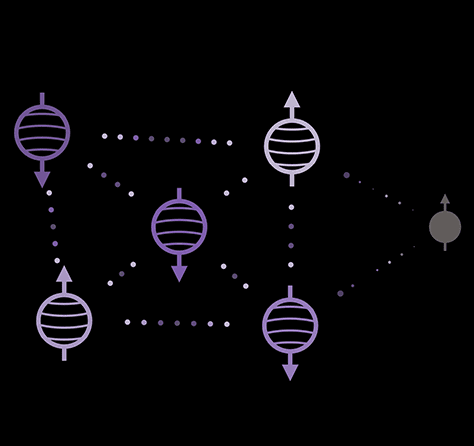
Quantum Control and Sensing by Spin Cooling: Developing high-field techniques to initialize and manipulate spin states, enabling unprecedented sensitivity in quantum sensing and control.
Chromophore Receptors as Biological Qubits: Exploring light-activated flavoproteins and related systems as natural quantum processors for signal transduction and potential quantum biological effects.
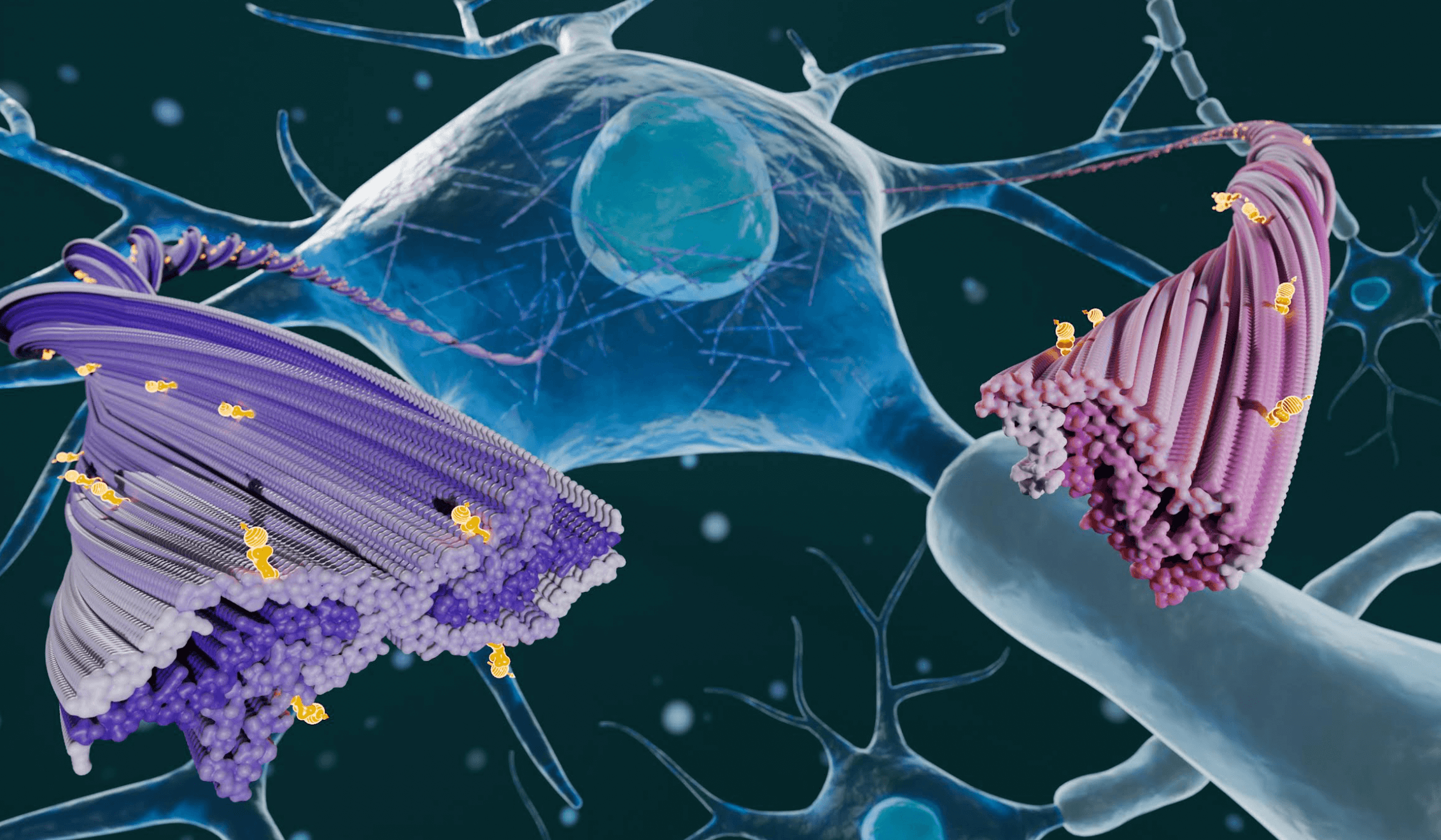
Water-Directed Protein Fibrils and Tunable Hydrogels: Investigating how structured water networks guide the assembly, polymorphism, and macroscopic ordering of amyloid-like fibrils, with applications in biomaterials and neurodegenerative disease mechanisms.
These themes converge on a shared vision: advancing magnetic resonance into a quantum microscopy toolkit capable of revealing previously invisible molecular interactions, solvation dynamics, and potential quantum influences in living systems.
Explore the sections below for details on each theme or visit our publications to see our progress.
Quantum Control and Sensing by Spin Cooling
To reveal “invisible” NMR signal of surface and low concentration species using innovative instrumentation and concepts, including hyperpolarization with spin state initialized electron spins and new sensing schemes. What if the larger quantum sensing community has a large blind spot by not considering quantum resonance phenomena? What if electron spin cluster design can transform dynamic nuclear polarization (DNP) enhanced NMR, hyperfine electron paramagnetic resonance (EPR) spectroscopy and nanodiamond based quantum sensors? Find out more by contacting us.
Know More
Chromophore Receptors as Biological Qubits
To uncover the molecular and spin quantum basis of signal transduction from light to biological activity of flavin receptors using unique tools to achieve quantum control by Boltzman initialized spin states (QBis)
Know More
Water Directed Protein Fibrils and Tunable Hydrogels
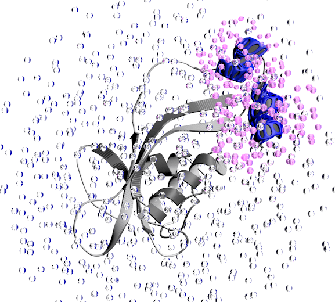
To understand and engineer protein aggregation pathways and protein surface activity, and to reveal long-standing questions on the structure and dynamics of biological water.
Know More